Article Summary
- Online favors flexibility; campus favors embodied community.
- Hybrid works when intensives are real and required.
- Accreditation and support matter more than delivery slogans.
- Choose the format you will actually finish.
People argue “online vs campus” when they often mean two deeper questions: Will I finish? Will I be formed?
Answer those, and the format gets clearer.
Pro tipAsk for graduation patterns by modality—online marketing and online completion are different stories.
When online (or hybrid) shines
You work full-time. You have kids. You live far from the school you want. You’re disciplined enough to protect study blocks without a classroom staring at you.
Online can be excellent when the program is accredited, the faculty are real, and practicums or student teaching are arranged thoughtfully in your area.
Format at a glance
Online / hybrid
- Schedule flexibility
- Stay local
- Self-discipline needed
Campus
- Embodied community
- Labs & presence
- Relocation costs
When campus shines
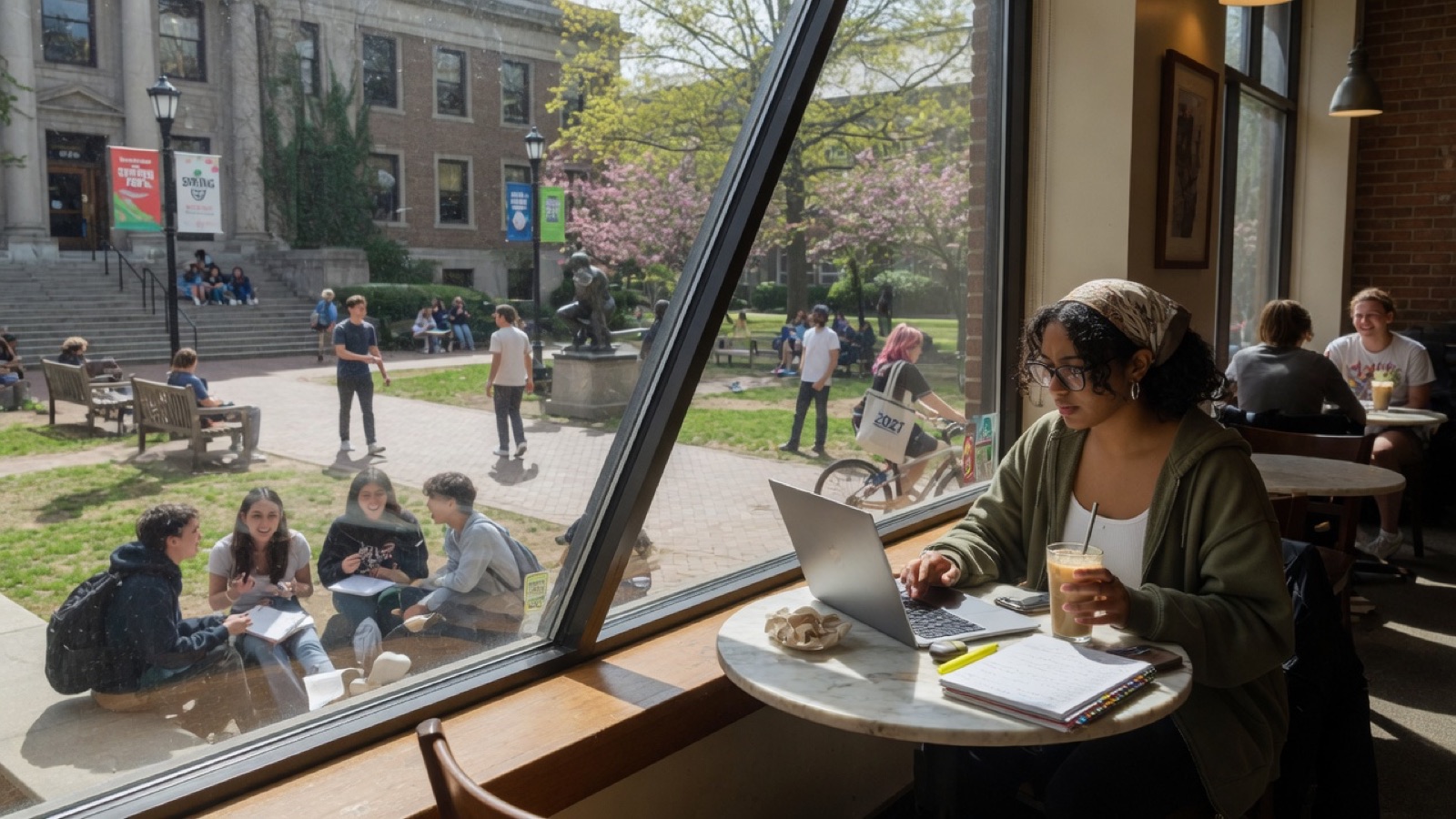
You want chapel in the room, friends in the hallway, labs and ensembles, and mentors you bump into between classes. You learn better with faces and fixed schedules.
Campus costs more in relocation and housing, but it can buy a kind of belonging that’s hard to stream.
Hybrid is not a compromise if the intensives are real
Some of the best adult programs mix online coursework with required in-person weeks. Ask how much presence is required and whether those weeks are relational or just logistics.
Questions that matter more than the brochure
What’s the graduation pattern for students in my modality? How do internships and residencies work at a distance? Who teaches the courses—full-time faculty or a rotating cast? What does student support look like when you feel stuck at 11 p.m.?
A decision you can live with
If your church community is already strong and your calendar is tight, online or hybrid may free you to keep serving where you are. If you’re hungry for a new formation environment, campus may be worth the move.
Either way, check accreditation and outcomes. Then filter schools by online availability and keep reading adult learner success.
Keep going on ChristianStudents
Try this week
- Write your top goal for school in one sentence.
- Open three school profiles that might fit.
- Ask one trusted person to review your shortlist with you.
Frequently asked questions
Do employers respect online Christian college degrees?
From known accredited institutions, usually yes—especially when skills are clear. Ministry roles may weigh relationships and ordination paths heavily too.
Can I switch from online to campus later?
Sometimes. Ask about residency requirements before you start.
How do online programs handle internships?
Many help arrange local placements. Ask for examples in your field and region.
Your next step
Turn this guide into action. Shortlist schools, read a related guide, or find people who can walk with you.