Article Summary
- Start with the role you are preparing for.
- Bible school often emphasizes accessible ministry training.
- Seminary emphasizes graduate theological study, often an MDiv.
- You can sequence both over time.
If your end goal is “faithful servant in my church,” the training path may look different than “senior pastor in a denomination that expects an MDiv.”
Start with the role. Then pick the school type.
Pro tipCall the people who would credential you and ask what they actually require—before you enroll.
Bible school / Bible college
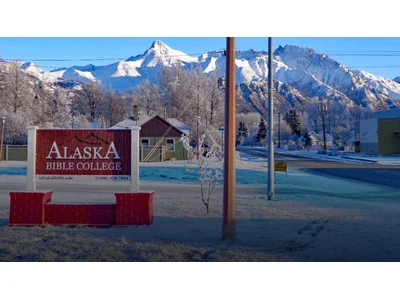
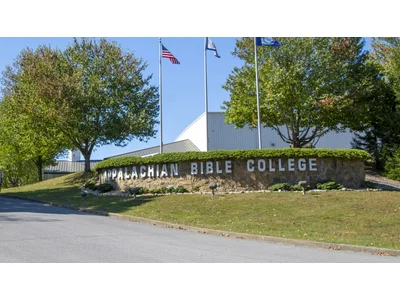
These programs often focus on Scripture, practical ministry skills, and faster entry into service. You might see certificates, associate degrees, or bachelor’s paths with a heavy ministry core. They can be a strong fit for bi-vocational ministry, exploratory seasons, and movements that train leaders outside a long seminary track.
Two training lanes
Bible school
- Often undergrad / certificate
- Practical ministry focus
- Faster entry possible
Seminary
- Graduate-level study
- Often MDiv path
- Languages & depth
Seminary
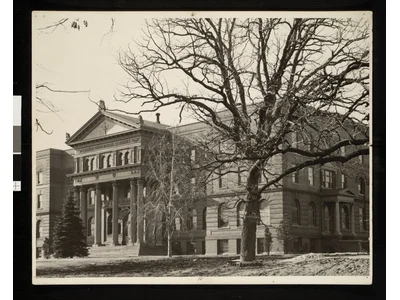
Seminary is graduate-level theological education. Many pastoral tracks center on the Master of Divinity, with languages, history, theology, and supervised ministry. Chaplaincy and some teaching paths also lean seminary.
Seminary usually assumes a bachelor’s degree first—though some schools have alternative routes. Ask early.
Questions that settle the fog
What does my church or denomination require for the role I want? How soon do I need to be serving with real responsibility? Can I study while working? What accreditation does my next step expect?
You can sequence both
Plenty of leaders do Bible school or undergrad ministry training now and seminary later. Others reverse it. God’s timeline is allowed to include chapters.
Money and maturity
Shorter isn’t automatically wiser, and longer isn’t automatically holier. The wise path is the one that forms you and fits the door you’re walking through—without pretending debt is a spiritual gift.
When you’re ready, browse Bible colleges and seminaries and keep discernment and accreditation nearby.
Keep going on ChristianStudents
Try this week
- Write your top goal for school in one sentence.
- Open three school profiles that might fit.
- Ask one trusted person to review your shortlist with you.
Frequently asked questions
Can I be a pastor without seminary?
In some churches yes; in others no. Ask your denomination or hiring church what they expect.
Is Bible school less than seminary?
It is different. Match the tool to the role and timeline instead of chasing prestige.
Can I do both?
Yes. Many leaders train practically first and complete seminary later, or the reverse.
Your next step
Turn this guide into action. Shortlist schools, read a related guide, or find people who can walk with you.